
Trump threatens 10% tariffs after ‘deeply disappointing’ court ruling
The high court ruled the president doesn’t have tariff authority under an emergency statute but can impose duties in other ways to counter unfair trade practices or deficits.
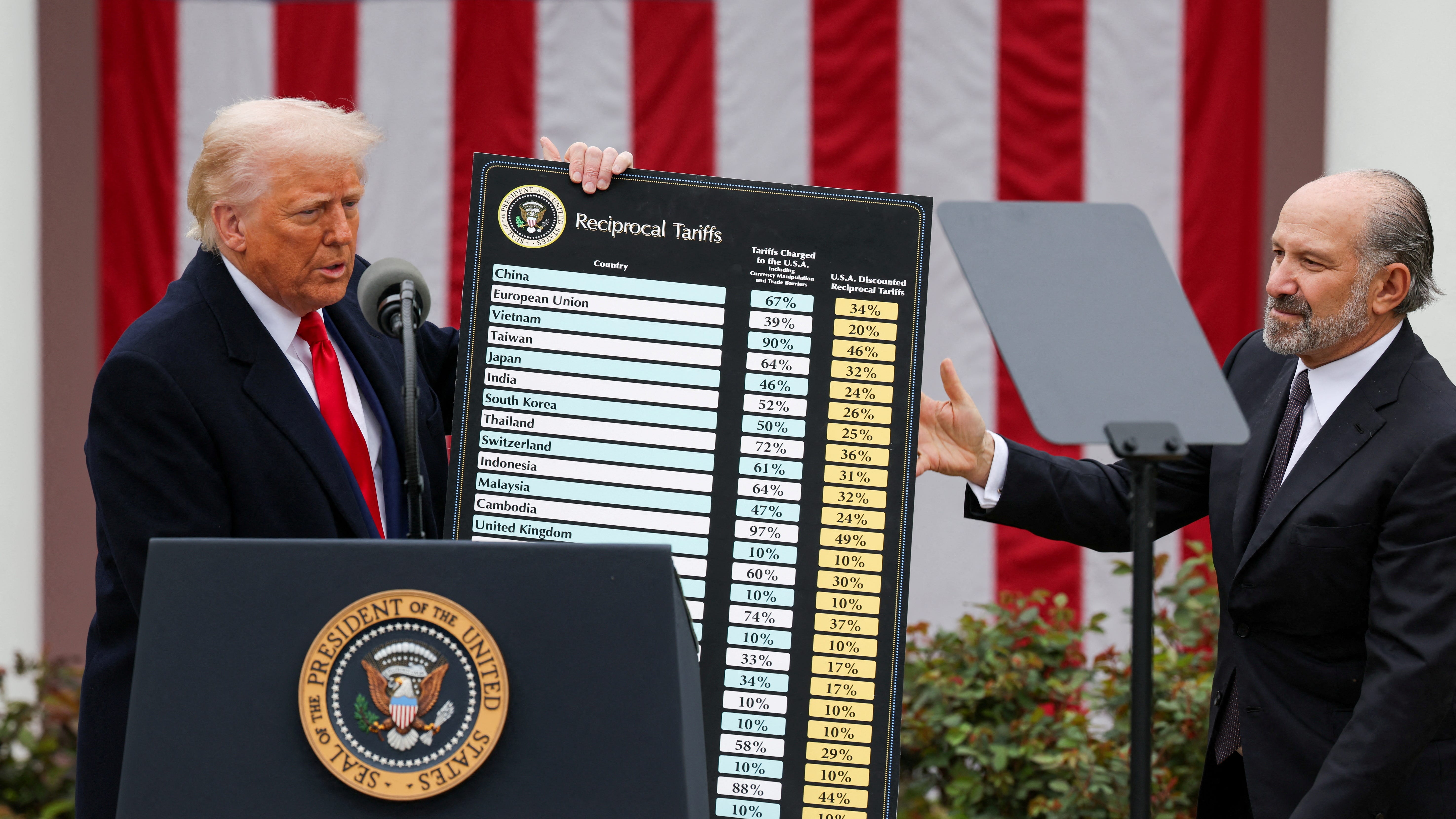

WASHINGTON – President Donald Trump said he would immediately impose 10% temporary tariffs to replace the emergency tariffs that the Supreme Court overturned Feb. 20, which he called “deeply disappointing.”
The high court ruled the president doesn’t have the congressional authority to impose tariffs under the 1977 International Emergency Economic Powers Act. Trump had argued the law allowed him to impose any tariffs at any time.
“The Supreme Court’s ruling on tariffs is deeply disappointing,” Trump told reporters at the White House. “I’m ashamed of certain members of the court – absolutely ashamed – for not having the courage to do what’s right for our country.”
Two justices Trump had appointed − Neil Gorsuch and Amy Coney Barrett − joined the 6-3 majority that overturned his emergency tariffs. He said he was surprised by their decision but wouldn’t say whether he regretted nominating them.
“I think their decision was terrible,” Trump said. “I think it’s an embarrassment to their families, to tell the truth.”
Trump said the effect of the decision was to confirm that under the emergency statute he could cut off trade with another country, either through licensing or an embargo, but no longer charge tariffs on imported goods.
“I can destroy the trade. I can embargo. But I can’t charge $1,” Trump said. “It’s crazy.”
But Congress has delegated the president the power to impose tariffs in other ways. For example, he’s used the 1962 Trade Expansion Act to impose tariffs on steel and aluminum based on Commerce Department investigations − which aren’t affected by the court’s decision. Another path for tariffs is the 1974 Trade Act, for unfair trade practices that the U.S. trade representative investigates.
“All we’re doing is going through a little more complicated process,” Trump said.
Trump cited another section of the 1974 Trade Act for the 10% tariffs he planned to sign. The new tariffs apply to countries that send the United States more than they import. But that type of tariff lasts for only 150 days.
“We have tariffs. We just have them in a different way,” Trump said.
U.S. Trade Representative Jamieson Greer said the temporary tariffs would take effect within days. Investigations over unfair trade practices could lead to other tariffs, he said.
“We have a lot of tools out there,” Greer said. “You can look forward in the coming days and weeks to see all of that come out.”


